For many young dancers, the dream of being on a dance team in high school is one they want to achieve. From drill, country western, and multiple heritage performance-based groups in RISD, students have numerous opportunities to find their place to perform. With practice and persistence, all RISD students can find their place.
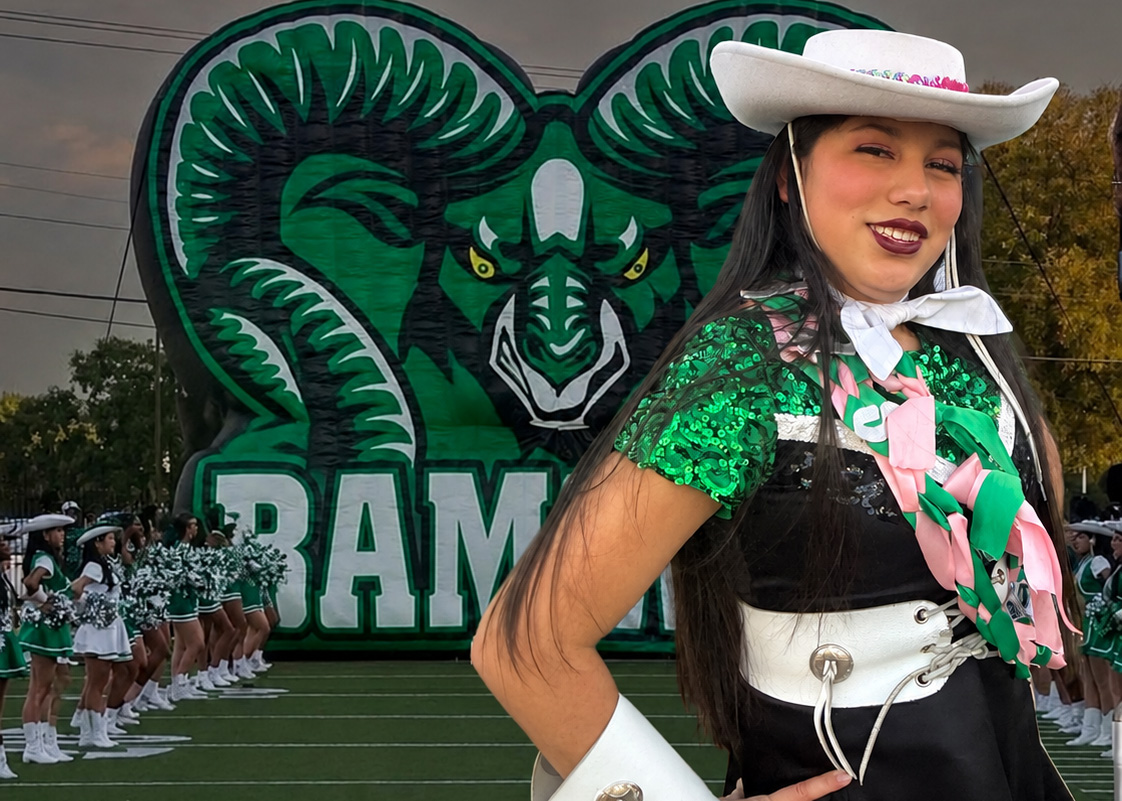
Brianna Mora is a sophomore at Berkner High School and is a first-year member of the Bandoleras drill team and Folklórico team. She’s also blind and has limited remaining vision, which means learning and performing choreography can look a little different for her.
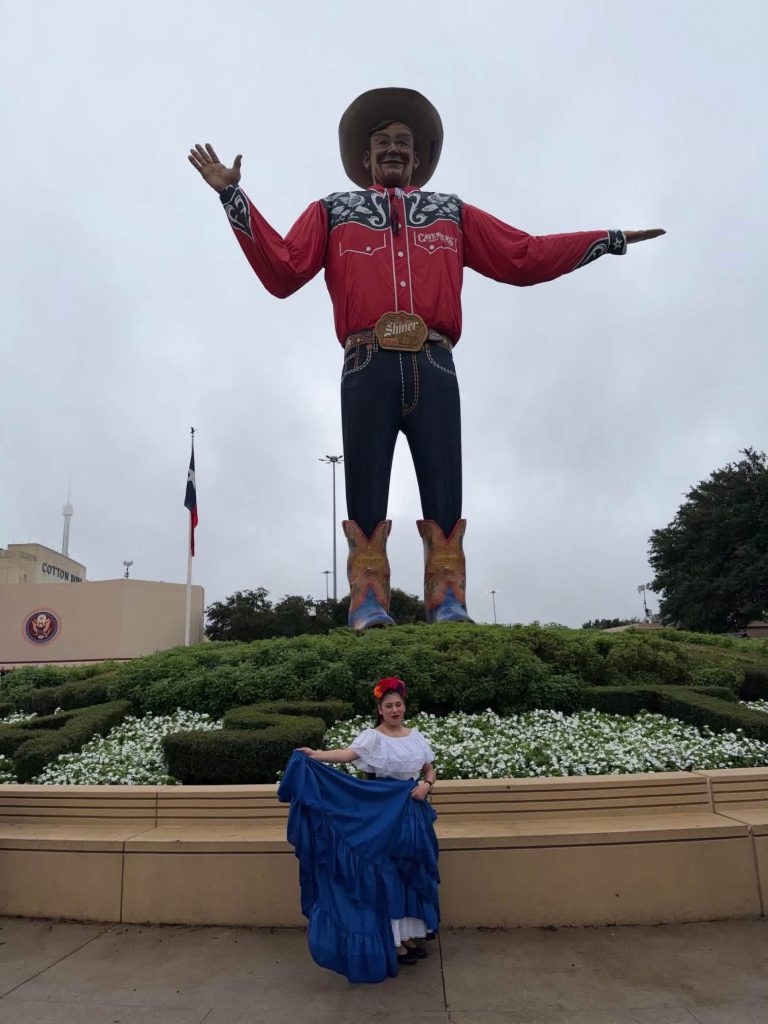
Watching her perform, you see a girl who loves to dance. From dancing on the field to sharing her culture with others, she is a proud member of the two groups.
Mora was inspired to try out for the Bandoleras by a family friend who had been on the team. After watching Folklorico perform at a pep rally, she also decided to join the group too.
While having limited sight can present challenges while dancing, Mora and Bandoleras director Marina Miller both see it as a way to enhance Mora’s performances. Despite the fact that learning routines can be a longer process, Mora is able to remember choreography through the counts. This skill is extremely important, according to Miller, because “she can’t rely on trying to fake it by looking at someone else”, meaning she needs to be confident in her understanding of the dance.
And then there’s the part of dance she enjoys most: performing.
“I really enjoy performing,” Mora said. “I know a lot of dancers get stage fright, but I always joke that I can’t relate; I can’t really see people, I don’t get stage fright.”
Her sense of humor offers a glimpse into her personality, but her confidence onstage also reflects how comfortable she feels doing what she loves.
Mora also credits her ability to learn new dances to learning how to advocate for herself and communicate what she needs. With support from her teammates, coaches, and her district mobility specialist and visual impairment support, she has found strategies that help her succeed.
“Last year, all of her teachers and I had the opportunity to test simulation goggles, so we could live in her shoes. It was so eye-opening to me. It makes you appreciate her ability to overcome and adapt.” Mora had an idea to have her teammates experience the goggles as well so they would be able to understand the challenges she navigates every day. “We’ve learned that what’s good for her is good for the whole. It makes us a better team”, says Miller.
Her teammates and directors are all willing to help her navigate new spaces and spend extra time learning choreography. This is especially important in football stadiums because of the variety of obstacles that the area can present. Miller specifically explains that “someone will walk out with her” so she can have the full entrance and exit experience.
Though Mora’s blindness is progressive, she still has big dreams for her future. She plans to continue dancing, with a goal to become a choreographer one day and to run her own dance studio.
Her story is a reminder that finding a place on a team isn’t always about doing things the same way as everyone else. Sometimes, it means learning what works for you, trusting your abilities and having the support beside you to help achieve your dreams.
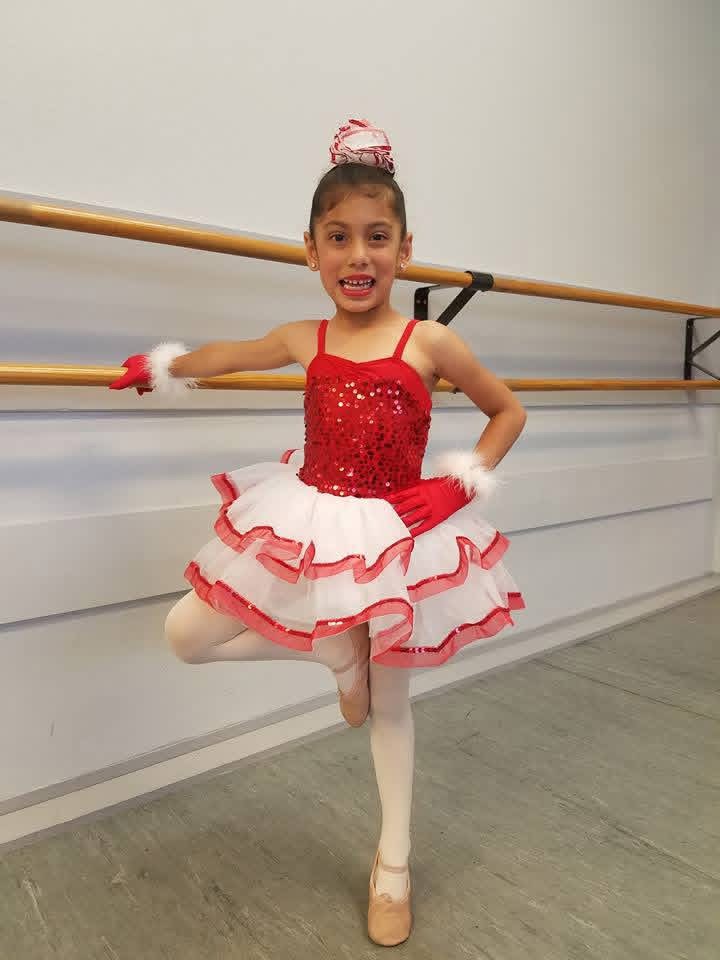
For Mora, dance has been a part of her life since childhood. Now, with two teams behind her and bigger dreams ahead, she’s continuing to find her place in the spotlight.