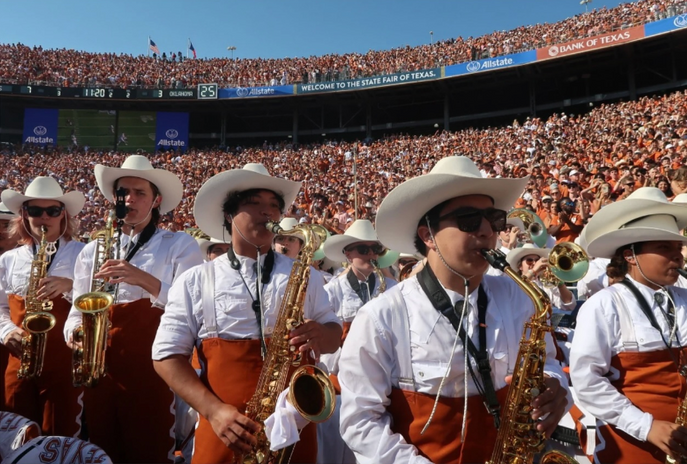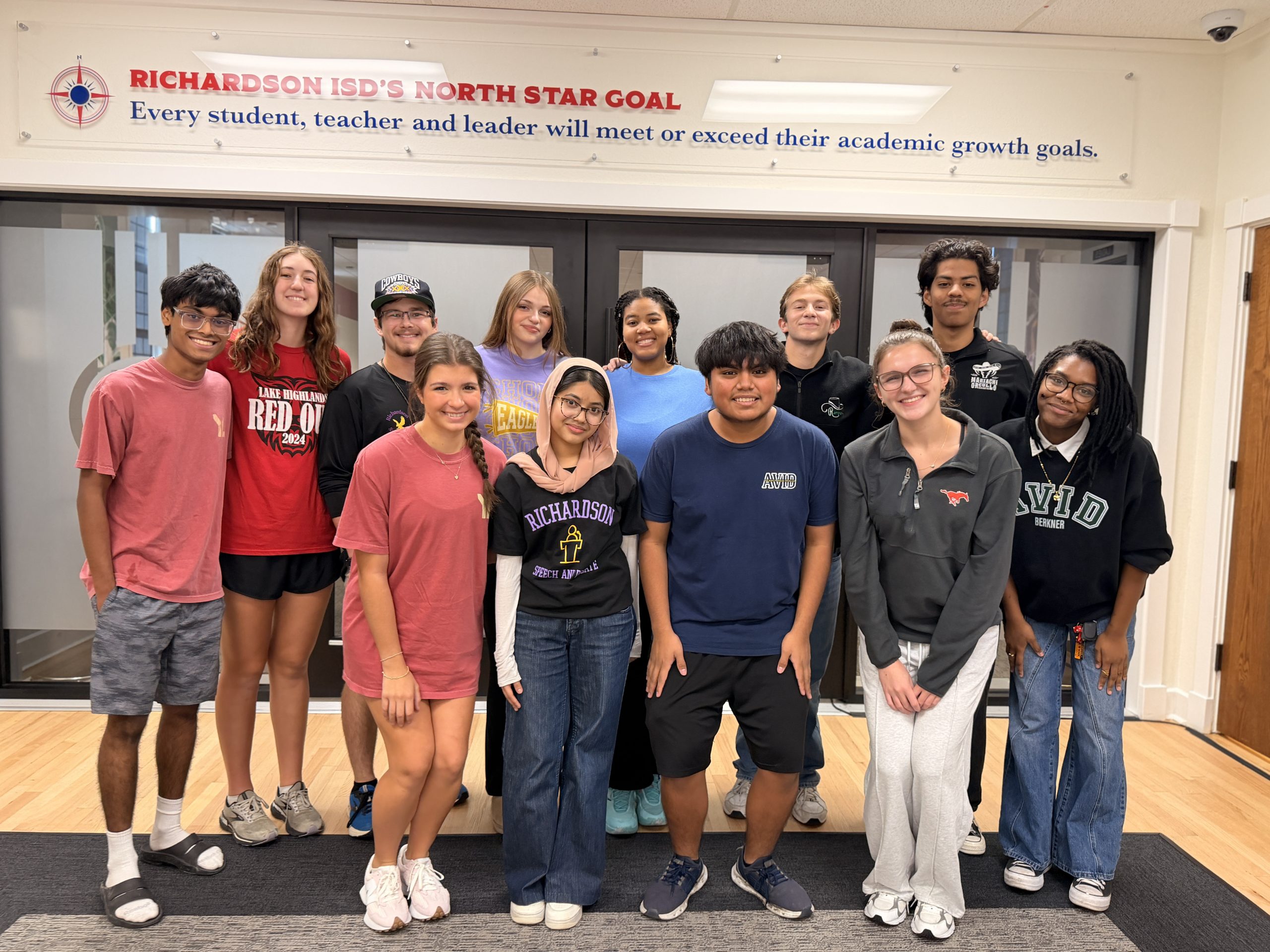
For the 15th consecutive year, Richardson ISD has been honored with the Best Communities for Music Education designation from The NAMM Foundation for its outstanding commitment to music education.
Now in its 27th year, the Best Communities for Music Education designation is awarded to districts that demonstrate outstanding achievement in efforts to provide music access and education to all students. To qualify for the Best Communities designation, Richardson ISD answered detailed questions about funding, graduation requirements, music class participation, instruction time, facilities, and support for the music programs. Responses were verified with school officials and reviewed by The Music Research Institute at the University of Kansas.
“Richardson ISD continues to evolve and adapt to serve our students, families, and community in the arts. We are proud of our music programs and the impact they are having across all of our campuses and over 36,000 students. RISD Music programs have continued to set the bar across our great state for more than 60 years. Hiring the very best educators and giving them the tools to serve their students will continue to be our priority. Music builds bridges, empowers our students for the future, and provides opportunities to experience excellence like nothing else. We celebrate this award collectively with our staff, students, families, and community, as together, anything is possible,” says Jeff Bradford, Executive Director of Fine Arts.
Since the passage of the Every Student Succeeds Act (ESSA) in 2015 and a stated emphasis on a well-rounded education, many school districts have re-committed to music and arts education programs. During the pandemic, music and arts programs were a vital component in keeping students engaged in school. ESSA provides designated funding for well-rounded educational opportunities through Title IV Part A Student Academic Success and Achievement grants. NAMM Foundation research has revealed that these grants are being widely used by school districts to address instructional gaps in access to music and arts education.
Research into music education continues to demonstrate educational/cognitive and social skill benefits for children who make music. After two years of music education, research found that participants showed more substantial improvements in how the brain processes speech and reading scores than their less-involved peers and that students who are involved in music are not only more likely to graduate high school, but also to attend college as well. Every day, listening skills are stronger in musically-trained children than in those without music training. Significantly, listening skills are closely tied to the ability to: perceive speech in a noisy background, pay attention, and keep sounds in memory. Later in life, individuals who took music lessons as children show stronger neural processing of sound; young adults and even older adults who have not played an instrument for up to 50 years show enhanced neural processing compared to their peers. Not to mention, social benefits include conflict resolution, teamwork skills, and how to give and receive constructive criticism.
A 2015 study supported by The NAMM Foundation, “Striking A Chord,” also outlines the overwhelming desire by teachers and parents for music education opportunities for all children as part of the school curriculum.